Gambling’s psychological grip Understanding the mind behind the odds
The Allure of Gambling
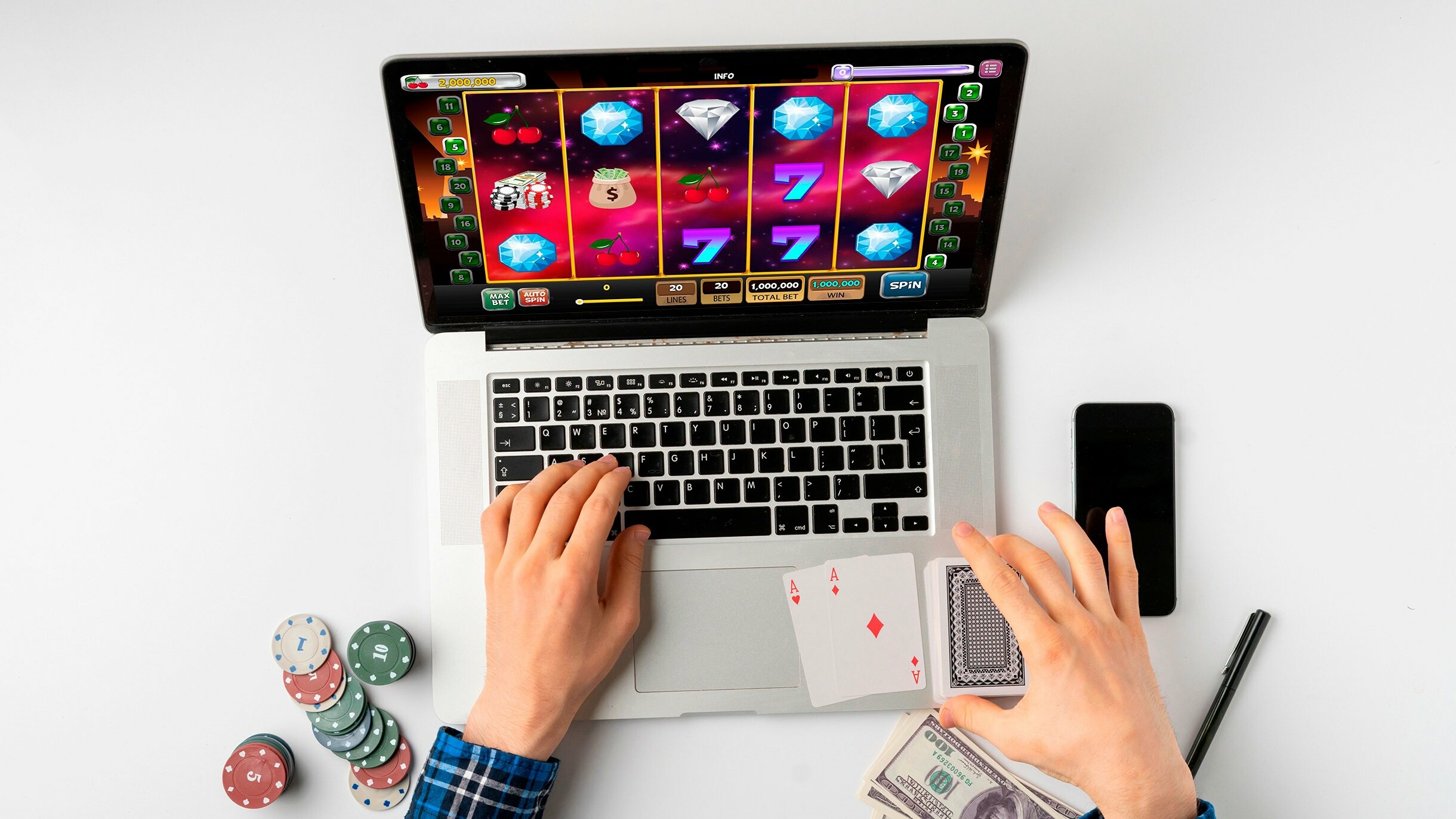
Gambling has an undeniable allure, capturing the attention of millions around the globe. This fascination can be traced back to the thrill of chance and the possibility of winning big. For many, the rush of placing a bet is an exhilarating experience that triggers a release of dopamine, creating feelings of excitement and pleasure. This chemical response in the brain can lead to a cycle where individuals seek out gambling as a form of entertainment or escape. The excitement is often amplified by the vibrant atmosphere, where the best crypto casino options provide new avenues for thrill-seekers.

The atmosphere of casinos and gambling venues further enhances this attraction. Bright lights, sounds of clinking coins, and the energy of fellow gamblers create an environment that feels alive and engaging. This sensory overload can heighten emotions, making it easy to lose track of time and money, leading players deeper into the world of gambling.
The Psychological Mechanisms at Play
Understanding the psychology behind gambling reveals complex mechanisms that influence decision-making. One significant factor is the concept of near-misses, where players come close to winning. Research shows that experiencing a near-miss can be just as thrilling as winning itself, encouraging players to continue betting in hopes of that elusive victory. This can foster a sense of false hope and lead to persistent gambling behavior.
Additionally, cognitive biases play a crucial role in how gamblers perceive their chances of winning. Many individuals overestimate their luck or believe they have a personal “system” that can beat the odds. These misconceptions can create a cycle of continued play, as gamblers feel empowered by their beliefs, often ignoring the statistical reality that favors the house.
The Impact of Emotion on Gambling Behavior
Emotions significantly impact gambling behavior, often driving players to make impulsive decisions. Stress, excitement, and even boredom can trigger a desire to gamble, with individuals seeking out the thrill as a coping mechanism. This emotional rollercoaster can lead to both positive and negative outcomes, as players chase highs while grappling with the lows of loss.
Moreover, the concept of loss aversion—where individuals prefer to avoid losses over acquiring equivalent gains—can intensify gambling addiction. Gamblers may continue to play to recoup losses, often leading to a cycle of financial distress and emotional turmoil. This emotional investment in the outcome can cloud judgment, making it difficult for individuals to recognize when it’s time to stop.
Myths and Misconceptions about Gambling
Despite the widespread appeal of gambling, many myths and misconceptions persist. A common belief is that certain games offer better odds than others, leading players to favor these games without fully understanding the underlying probabilities. This misperception can cause players to misallocate their time and resources, ultimately skewing their gambling experience.
Another prevalent myth is the idea of “luck.” Many gamblers believe that they can influence outcomes through rituals or behaviors. This superstition can lead to an overreliance on luck rather than recognizing the inherent risks involved in gambling. By debunking these myths, individuals can approach gambling with a more informed and critical mindset, fostering healthier habits and expectations.
Colbert News Hub: Your Source for Insights
At Colbert News Hub, we strive to provide engaging content that keeps you informed about the latest trends and updates in entertainment and pop culture. Our articles delve into various subjects, including the psychology of gambling, helping readers understand the complexities of this captivating world. Whether you’re seeking insights into the mechanics of chance or the latest news in the gaming industry, we are dedicated to delivering relevant and insightful information.
While our site may currently be experiencing technical difficulties, we encourage you to return for a seamless experience filled with enlightening articles and discussions. Join us at Colbert News Hub as we explore the fascinating intersection of psychology and gambling, among many other captivating topics.